
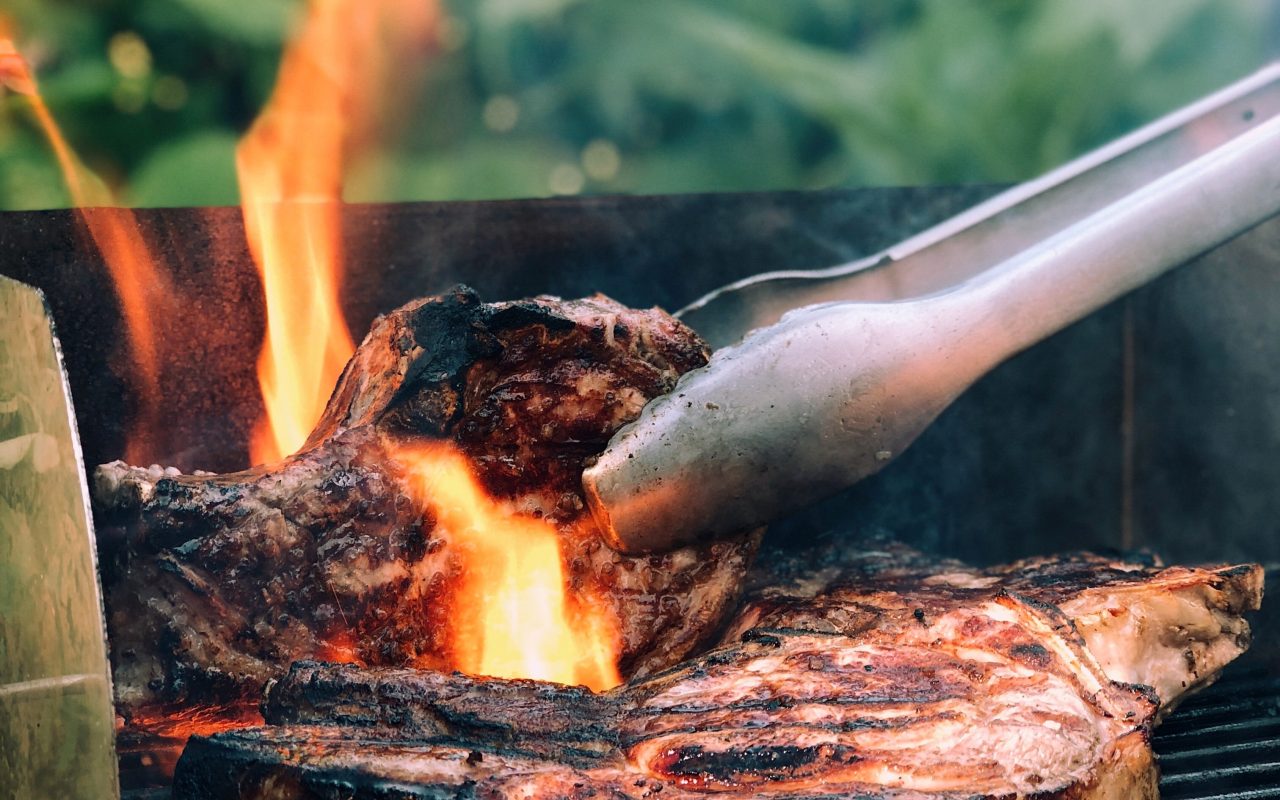
Summer and grilling just seem to go together. We’ve got tips and tricks to take your outdoor culinary competency up a few notches.
By Melissa Peterson
Burgers, steaks, ribs, chicken, seafood—knowing how to assert your dominance over the grill can mean the difference between a delicious dinner and a dining disaster. Whether you’re wanting to know more about proper technique and temperatures or marinades and sauces, we’ve got all the details.
Grilling 101
Before the food ever hits the heat, make sure you take note of these grilling basics.
Clean your grill. Use a metal brush to clean the grill grates in between each grilling session. It’s easiest to clean your grill while it’s hot, so either clean it as soon as you’re finished cooking or heat the grill up before your next meal and clean it before you start cooking.
Oil the racks. Lean meat can stick to your grill grates, so oil the racks while they’re hot with a vegetable oil-soaked paper towel. Don’t forget to use tongs, and do not use cooking spray on a hot grill.
Cook safe. Food poisoning and a family barbecue do not equal a good time. Use separate cutting boards, utensils and platters for raw meat to avoid cross contamination. Also keep meat in the refrigerator while marinating.
Preheat your grill. Heating a grill before placing your food on it can help kill bacteria, so preheat it for 15-25 minutes before you start cooking.
Buy a thermometer. Don’t guess on whether your food is cooked thoroughly—buy an instant-read thermometer that can easily tell you the internal temperature of your food.
Grilling Know Hows
Whatever meat you choose, there’s a right and wrong way to grill it. Check out these tips for becoming a grilling god.
Burgers: Fat makes a juicy cheeseburger, so a leaner beef might be healthier but can lead to dry burgers. Try ground chuck, which is usually about 18 percent fat. When making your burger patties, aim for 1 inch in thickness and mix seasoning into the patties, using at least salt and pepper. And don’t get too happy with the flipper. Burgers should only be flipped once when they’re ready. You’ll know they’re ready to be flipped when you can lift the burger off the grill and they don’t stick to the grate. And don’t press the juiciness out of them!
Steak: Let your steaks stand at room temperature for 20-30 minutes before grilling to help them cook faster and stay juicy. Sear steak over direct heat until the outside is dark brown; it helps make a tastier steak. If you prefer a super thick steak (over an inch), sear it on both sides and then slide it over to a cooler part of the grill and let it finish cooking there. And don’t walk away from the grill—there’s a short window from medium to medium-well. The longer your cook it, the less juicy.
Ribs: Although it might seem like applying barbecue sauce to the ribs at the beginning of the grilling process will make them juicier, this isn’t usually the case. Depending on the temperature you’re grilling at, it can actually create a layer of black char on the ribs. Apply barbecue sauce toward the end of the process or even after taking them off the grill. Don’t overdo it with the seasonings and smoking flavors either. A little goes a long way. You can always add more later. Boiling ribs first may cut down on the cooking time, but it also cuts down on the flavor. Cooking them on low heat at a slow pace is the way to a rib-lovers heart.
Chicken: Chicken can be different thickness throughout the piece, which can make cooking times and temperatures confusing. For a more even cooking, place boneless, skinless chicken breasts between two sheets of plastic wrap and pound them with a mallet until they are about an inch thick. Temperature is super important when cooking chicken to avoid illness. The USDA recommends cooking chicken to an internal temperature of 165°F for dark meat and 160°F for white meat. Check the chicken by inserting the thermometer into the thickest part of the meat.
Seafood: When cooking fish, keep the skin on it while grilling to keep the fish from falling apart. Seafood can be fragile, so brush on a thin layer of oil to help keep it from sticking to the grill. Cook fish fillets for about 10 minutes per inch of thickness on a preheated grill.
Get Saucy
Marinades, rubs, sauces—there are lots of options for taking your grilling technique to the next level. Here are our suggestions.
Marinades: A liquid mix of fats and acids, like oils and vinegars, marinades make leaner meat, like chicken and pork chops, more flavorful and tender. To use, soak the meat in the marinade for 30 minutes to two hours before grilling.
Rubs: A powder or paste of herbs and spices, rubs form a flavorful crust around the meat. Rubs are great for fatty meat, like pork ribs, pork loin, lamb chops, salmon and bone-in chicken.
Sauces: Sauces come in thick, like a barbecue sauce, and thin, like tomato juice or beer sauce, varieties. Thin sauces add moisture to tougher meat during low-heat, longer cooking and are basted on. They’re perfect for meat like ribs, pork butt and brisket. Barbecue sauce is thicker and is often sweet or smokey. It adds flavor when cooking many different types of meat, including chicken and ribs. It’s usually brushed on during the last half of the grilling process.
Sources: eatingwell.com, weber.com, epicurious.com
Check out more local entertainment like this at 352preview.com.
